
Is Chicken Road Game Legit? Full Review
There’s a particular kind of internet skepticism that Canadian gamers have developed over the years a healthy wariness toward anything that sounds too fun, too simple, or too conveniently accessible. So when Chicken Road started making the rounds on social feeds and gaming forums, the questions came fast: Is Chicken Road legit? Is this thing a scam? Is Chicken Road real or fake? These aren’t unfair questions. They’re exactly the kind of questions smart internet users should be asking.
This review isn’t going to dance around those concerns. Instead, let’s dig into what Chicken Road actually is, who built it, how it works, and whether Canadian players can feel comfortable spending time on it. Spoiler: the answer is more reassuring than the skeptics might expect.
First, the Basics What Exactly Is Chicken Road?
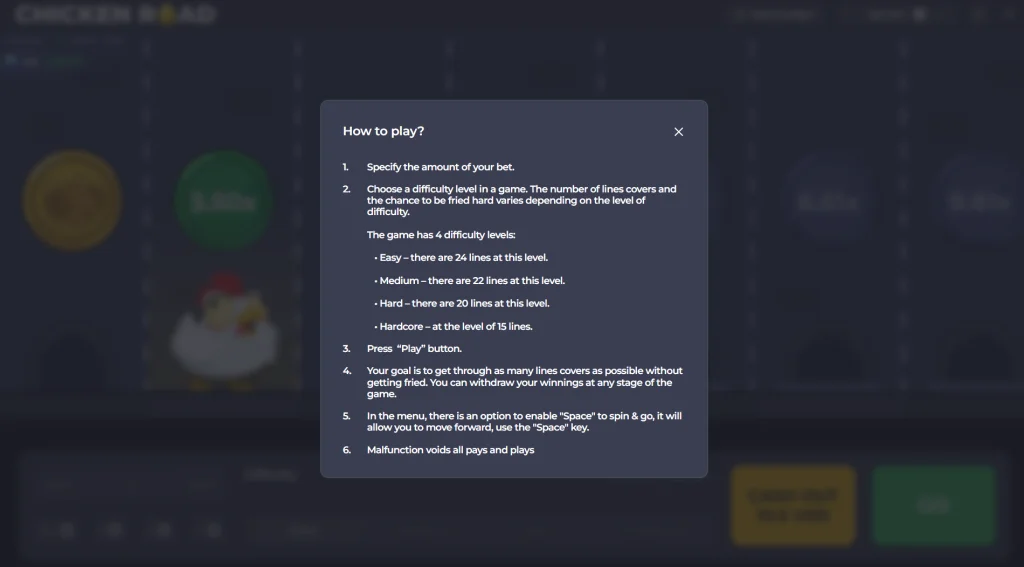
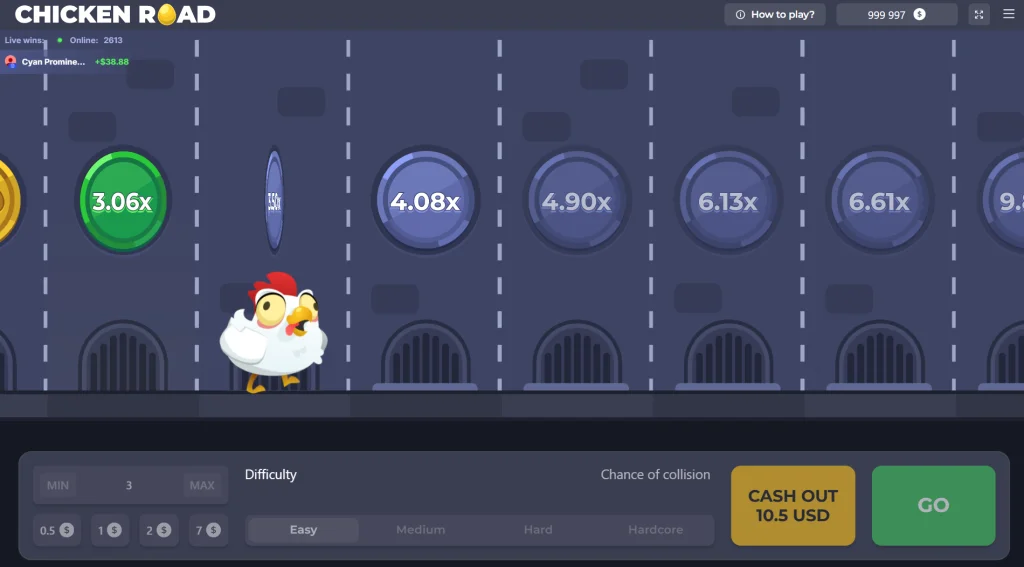
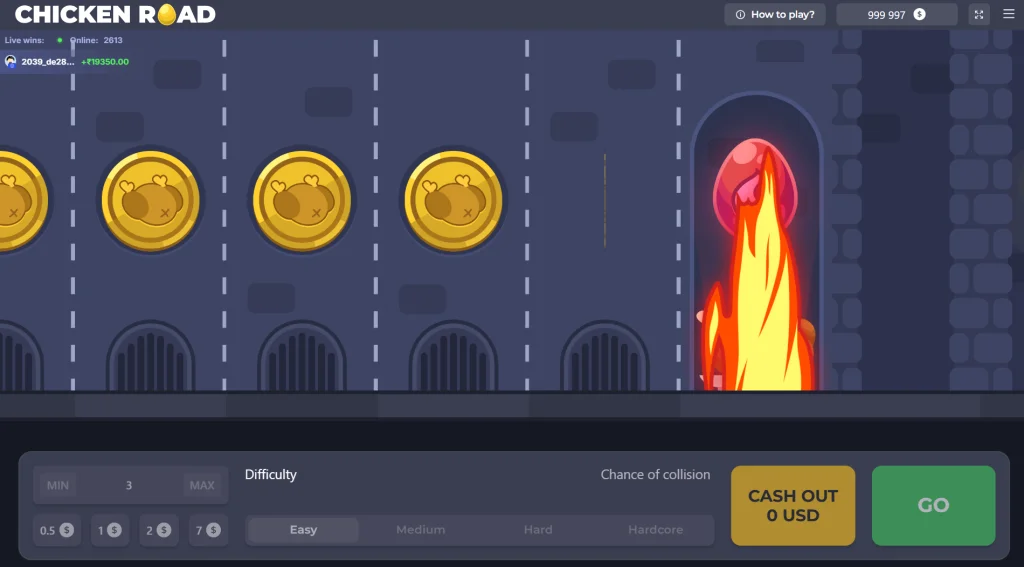
Before we assess trustworthiness, it helps to understand the game itself. Chicken Road is a browser-based casual game developed by InOut, a game studio that specializes in lightweight, accessible online gaming experiences. The concept is elegantly simple: you guide a chicken across a road or more precisely, a gauntlet of hazards collecting rewards and testing your reflexes as the stakes (and the difficulty) climb with each successful crossing.
The gameplay loop is fast. You make a decision, watch the result, decide whether to push further or cash out. It’s the kind of mechanic that’s easy to pick up in thirty seconds but hard to put down once you’ve started. This is deliberate game design, not an accident InOut has clearly put thought into the pacing and progression.
Critically, Chicken Road requires no download whatsoever. You play it directly in your browser, whether you’re on a laptop in Vancouver, a tablet in Toronto, or a phone somewhere in the middle of a long Saskatchewan highway drive. There’s no installation file, no APK, no software package to worry about. That alone addresses one of the most common sources of risk in online gaming: the download vector.
The Legitimacy Question Let’s Address It Directly
The phrase “Is Chicken Road a scam?” gets searched thousands of times every month. That volume of curiosity deserves a serious answer rather than a dismissive wave.
Chicken Road is a real, functional game. InOut is an actual game development entity with a track record in the browser gaming space. The game loads, it runs, it does exactly what it advertises. There’s no bait-and-switch, no phantom software, no experience that differs wildly from what’s described in promotional material.
When players ask, “Is Chicken Road real or fake?” what they’re often really asking is: Will this game actually work? Is it going to waste my time? Am I walking into something shady? The honest answers are yes, yes, and no, respectively.
What Gives a Browser Game Credibility?
Credibility in the browser game world typically comes from a few observable factors:
- Functional gameplay that matches its description. Chicken Road delivers exactly the experience it promises.
- Consistent availability. The game loads reliably without suspicious redirects or forced account creation before you’ve even seen the product.
- Developer identity. InOut isn’t anonymous. The studio is identifiable, and the game is openly attributed to them.
- No aggressive monetization traps at first contact. Legitimate games let you experience the product before pushing hard on upgrades or purchases.
Chicken Road checks these boxes. That’s not nothing in a landscape where plenty of browser games fail on multiple counts.
Understanding the User Experience from a Canadian Perspective
Canadian players occupy a somewhat unique position in the global online gaming market. Consumer protection standards here are generally strong, digital literacy is relatively high, and there’s a cultural tendency to do a bit of research before committing to anything online. That context makes the Chicken Road experience worth examining through a specifically Canadian lens.
Accessibility Across Devices
One of the most practically important features of Chicken Road is its cross-device compatibility. Because it runs in-browser, there’s no need to worry about whether your device meets certain hardware requirements, or whether there’s a version available for your operating system. Whether you’re on Chrome, Firefox, Safari, or Edge desktop or mobile the game is accessible.
This matters for Canadians who tend to switch between devices more than users in markets with lower device penetration. No download means no compatibility headaches.
Speed and Performance
The game is lightweight by design. Canadian internet infrastructure is solid in urban centers and increasingly reliable in rural areas, but a game that doesn’t demand much bandwidth is always a practical win. Chicken Road loads quickly and runs smoothly without demanding a high-end connection.
Language and Localization
The game’s interface is clean and intuitive enough that language barriers are minimal. The core mechanics communicate themselves visually, which matters for Canada’s diverse player base.
Safety and User Protection: What You Should Know
Here’s where a responsible review earns its keep. Discussing safety around any online game regardless of how credible it is isn’t about pointing fingers. It’s about equipping players with practical knowledge.
The No-Download Advantage
Since Chicken Road runs entirely in-browser, the standard risks associated with game downloads simply don’t apply. Downloading files from unknown sources is one of the most common ways malware ends up on personal devices. With Chicken Road, that vector is eliminated. There’s nothing to install, nothing to execute locally, and therefore nothing that can compromise your system through the installation process.
This is a meaningful structural safety feature, not just a convenience.
Account Information and Data
As with any online platform, it’s worth being thoughtful about what personal information you share. General best practices apply here: use a strong, unique password if you create an account, avoid reusing credentials from other platforms, and be selective about granting permissions you don’t understand. These are universal digital hygiene habits not anything specific to Chicken Road, but worth mentioning in any gaming safety discussion.
Playing on Trusted Networks
This applies broadly to online gaming, not to Chicken Road specifically: playing on unsecured public Wi-Fi introduces risks that have nothing to do with the game itself. Your personal data is more vulnerable on open networks, particularly when you’re logged into any platform. Using a secure home connection or a reputable VPN when gaming on public networks is a smart habit.
Responsible Engagement
Casual browser games, by design, can become habitual. That’s partly what makes them well-crafted products. Canadian players who engage with any casual game Chicken Road included benefit from the same self-awareness they’d apply to any entertainment platform: set reasonable time limits, take breaks, and recognize when engagement tips from recreation into compulsion.
None of this is specific to Chicken Road. It’s just good sense.
Who Is InOut, and Why Does That Matter?
The developer behind a game tells you a great deal about the game itself. InOut is a game studio operating in the browser and casual game space, with Chicken Road as one of their notable titles. They’re not an anonymous operation they have an attributable identity, which is one of the clearest signals of a legitimate development entity.
Anonymous game publishers are a real concern in the browser gaming world. Studios that can’t be identified, that scrub any reference to themselves from their products, that have no traceable presence those are the red flags worth investigating. InOut doesn’t raise those flags.
For a Chicken Road legitimacy analysis, the developer attribution is significant. You’re not dealing with a product that appeared from nowhere with no one willing to put their name on it.
What the Skeptics Get Right (And Where They Overcorrect)
It would be intellectually dishonest to dismiss all skepticism about browser games as unfounded. The online gaming landscape genuinely contains problematic operators. Fake games, cloned interfaces, manipulated odds without disclosure, aggressive unauthorized data collection these things exist and they’ve earned public wariness.
Where skeptics sometimes overcorrect is in applying blanket suspicion to all casual browser games without distinguishing between operators who deserve scrutiny and those who don’t. The question “Is Chicken Road a scam?” deserves investigation, and that investigation, done properly, yields a reassuring answer. It’s not a scam. It’s a functional, entertaining casual game from an identifiable developer.
Skepticism is a tool. Like any tool, its value comes from applying it with precision rather than swinging it at everything indiscriminately.
A Note on How Chicken Road Fits Into the Browser Gaming Ecosystem
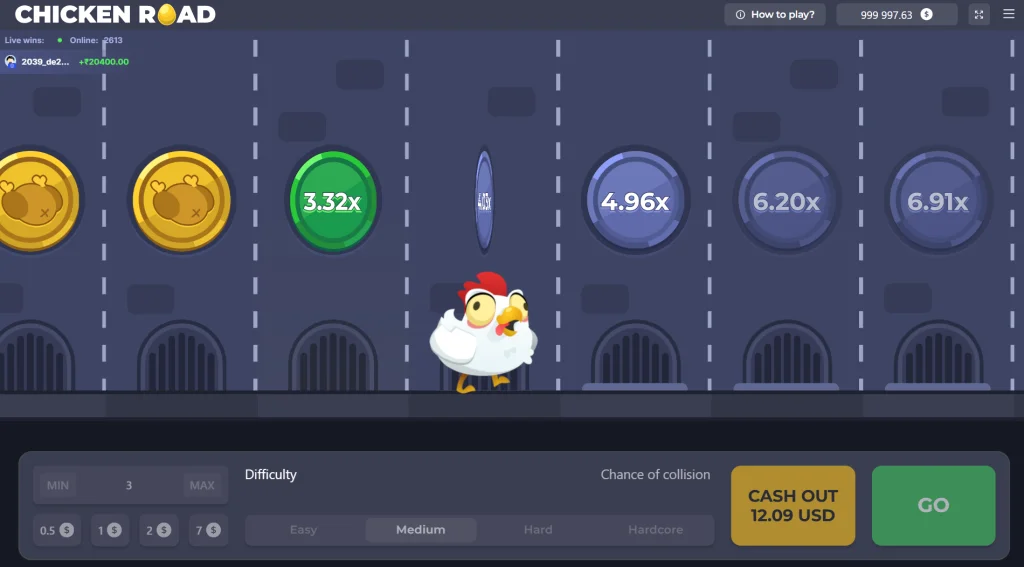
Chicken Road belongs to a well-established genre of risk-reward casual games ones where the player makes incrementally escalating decisions, each one offering greater reward in exchange for greater risk. This genre has been popular in browser and mobile gaming for years, precisely because the mechanic is psychologically engaging in a way that’s easy to understand and immediately satisfying.
InOut’s take on this formula with Chicken Road is polished. The visual design is approachable, the feedback loop is immediate, and the risk-reward structure is transparent you can see exactly what you’re risking and what you stand to gain at any given moment. Transparency in game mechanics is, frankly, a feature rather than a given, and Chicken Road gets credit for it.
Common Questions Canadian Players Are Actually Asking
Is Chicken Road legit in Canada or just a front for something sketchy?
It’s a legitimate casual browser game developed by InOut. It functions as advertised, requires no download, and operates without the hallmarks of deceptive online operations.
Do I need to download anything to play Chicken Road?
No. Chicken Road is a browser game fully playable on any modern device without downloads, installs, or software packages of any kind.
Is Chicken Road safe to play in Canada?
Yes. There are no jurisdiction-specific concerns for Canadian players that would distinguish Chicken Road from other mainstream casual browser games. Standard digital safety practices apply, as they would with any online platform.
Why do so many people search “is Chicken Road legit or scam”?
Because healthy skepticism is smart internet behavior. Browser games occupy a space where low-effort scam products do sometimes appear, so users asking that question are doing the right thing. The answer, in this case, is that Chicken Road is real.
Is there a risk of malware from Chicken Road?
Since the game runs in-browser and requires no downloads, the malware risk profile is significantly lower than it would be for a downloadable game. Standard browser security practices keeping your browser updated, using reputable security software are sufficient.
Is Chicken Road free to play?
The core game is accessible without payment. Specific monetization features vary as with any game, reviewing any optional paid elements before engaging with them is sensible.
Can I play Chicken Road on my phone?
Yes. The game is fully compatible with mobile browsers, making it accessible on iOS and Android devices without needing a dedicated app.
Final Assessment: The Verdict on Chicken Road
After examining the developer, the mechanics, the safety architecture, the user experience, and the broader context of how Chicken Road fits into online gaming the conclusion is clear.
Chicken Road is a legitimate, real, and functional browser game. It is not a scam. It is not fake. InOut built something that works, that’s transparently designed, and that Canadian players can engage with from any device without the friction of downloads or installations.
The questions players were right to ask “is Chicken Road legit, is it real or fake, is there any reason not to trust it” have been answered by the game’s own track record. It does what it says. It’s accessible. It’s from an identifiable developer. It runs safely in-browser.
For Canadian players who’ve been sitting on the fence, wondering whether the skepticism was warranted you can relax. This one passes the test.

Jason Mallory
After years of independent research into digital games and online platforms, I’ve learned that the difference between a legitimate game and a questionable one is almost always transparency. A trustworthy platform clearly displays its licensing, uses independently verified fairness systems such as RNG certification, and provides consistent rules without hidden or changing conditions. If this information is missing or difficult to verify, it’s usually a strong sign to be cautious.
I also strongly believe that games should always be treated as entertainment. Responsible participation means setting personal limits, managing time and spending carefully, and never viewing games as a way to generate income or solve financial problems. The healthiest approach is to stay in control, enjoy the experience, and step away when it stops being fun.